 english


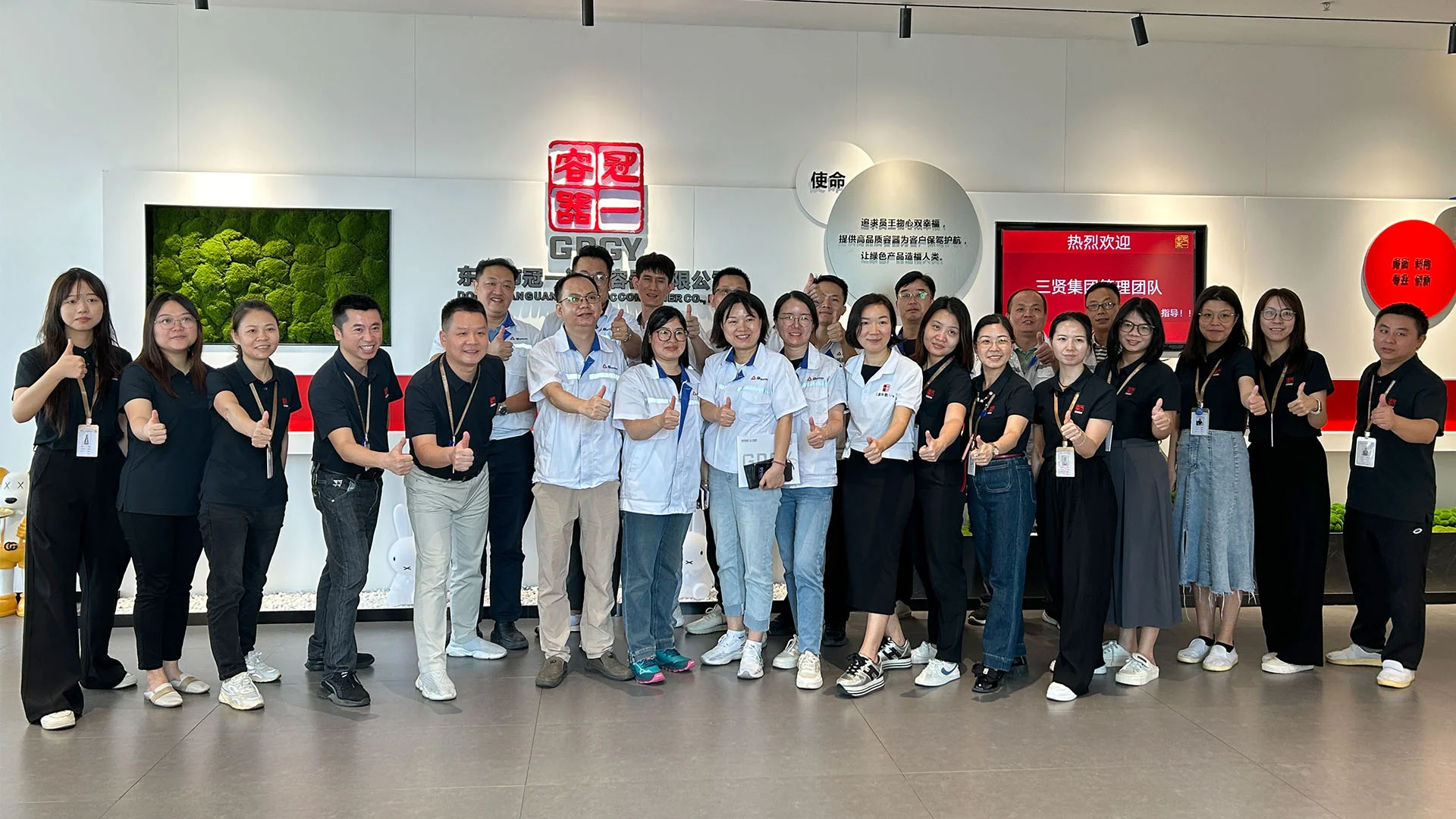
Fostering Excellence: Sanken Electronic Manufacturing's executive Visit to GY-Container for Quality Management and Efficient Production Learning Exchange
Oct. 15, 2024


Mold Manufacturing and Components
Various manufacturing processes that involve using designed, fixed tools, structures, or frames are collectively referred to as molds. Molds play an important role in the production of various products across multiple industries. Molds are used in manufacturing everything from simple plastic and silicone parts to complex automotive and medical device components.
At Sanken, we have a precision mold manufacturing workshop equipped with advanced equipment and a professional team to customize your mold projects. We specialize in the design, manufacturing, and supply of injection molds, metal molds, and thermoforming molds along with component fittings.
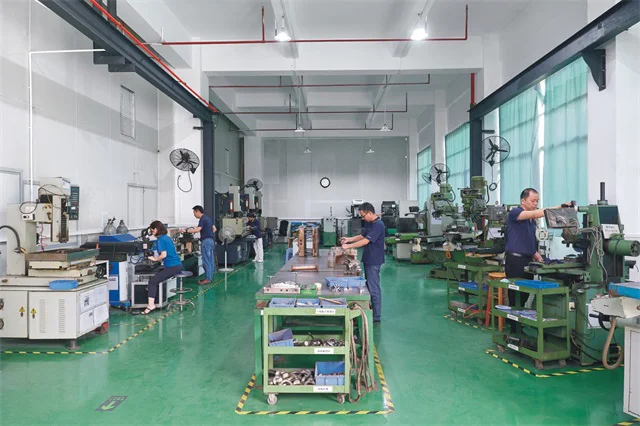
What is Mold Manufacturing?
manufacturing involves the process of shaping molten or flexible materials into parts using hollow models. In a sense, mold manufacturing can also include producing and manufacturing these hollow models, making the process of creating these hollow models part of mold manufacturing.
What Materials Are Commonly Used in Mold Manufacturing?
Molds are versatile and can be made from various materials such as silicone, metals, plastics, ceramics, wood, foam, aggregates, and combinations thereof. Utilizing molds for manufacturing ensures high-quality products and promotes efficient production of complex parts. Sanken specializes in producing injection, metal, and thermoforming molds, with steel, aluminum, and alloys being commonly used materials in our mold production. Steel molds are known for their durability, high-temperature and high-pressure resistance, making them ideal for large-scale production. Aluminum molds offer cost-effectiveness, albeit with a shorter lifespan compared to steel molds. Factors to consider when selecting mold manufacturing materials include production requirements, budget, capacity, among others.
Differences in Forming Processes Lead to Variances in Mold Manufacturing
Molds are basically used in various molding processes, and different processes have different advantages and disadvantages, so there will be differences in the production and treatment of molds.
Injection Mold Manufacturing: Injection molding typically involves injecting molten materials into mold cavities under high pressure to achieve desired shapes and is commonly used for molding plastics, silicone, and rubber parts. Due to its high-pressure and flow characteristics, injection molding molds require good sealing and high-pressure resistance.
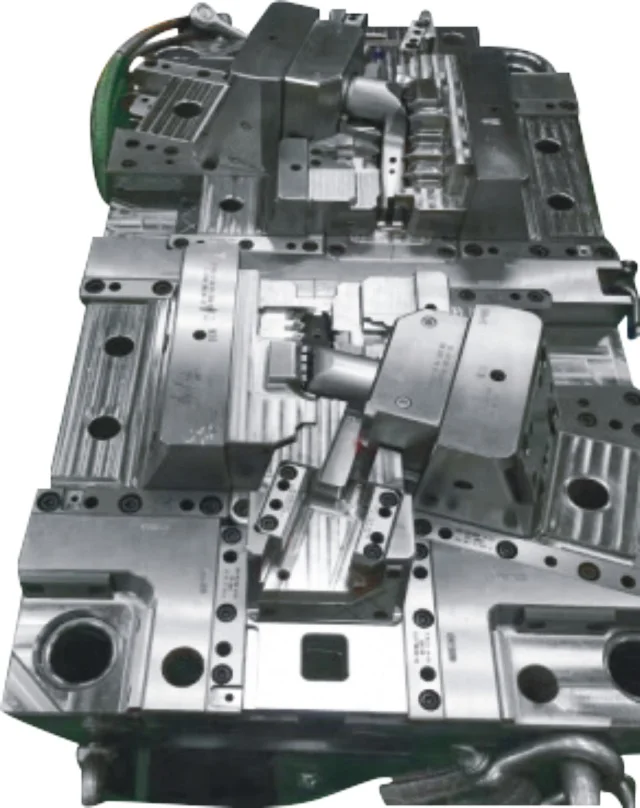
Metal Stamping Mold Manufacturing: Metal stamping molds usually comprise upper and lower modules. The pressing force in stamping molds shapes metal sheets of a certain thickness into specific shapes, necessitating materials with high hardness.
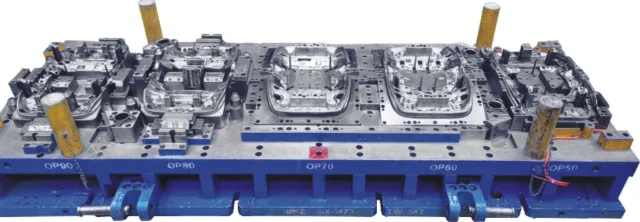
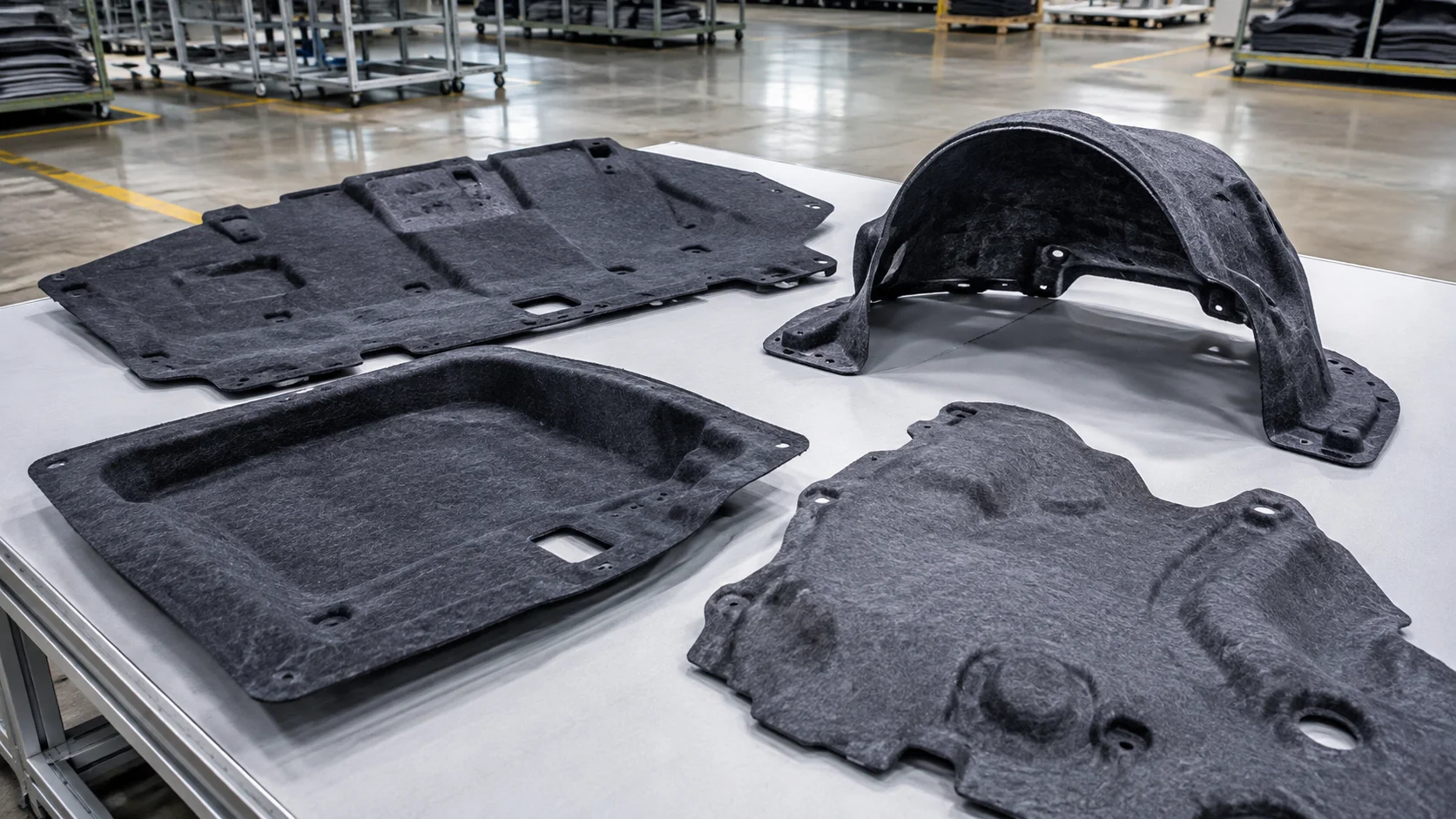
Thermoforming Mold Manufacturing: Thermoforming involves heating materials such as plastics, felt, and non-woven fabric, and shaping them on molds, offering advantages such as low cost and fast production, albeit generating relatively higher material waste. Due to the need for material to reach a specific temperature, thermoforming molds must consider material's heat conduction and heat transfer capabilities.
What are the accessories and components of injection molds?
Compared to thermoforming and metal stamping molds, injection molding molds are relatively complex and entail a higher number of components, including:
• Mold Base: Provide the foundation and support for the mold parts.
• Mold Cavity: Creates the desired external shape for the final product.
• Mold Core: Fits with the mold cavity to form the internal shape of the final product.
• Sprue: Facilitates the flow of material into the mold cavity.
• Runner System: Guides the material from the sprue to the mold cavity.
• Gate: The entry point from the runner system to the individual part cavities.
• Ejector pin: Helps remove the molded part from the mold.
• Cooling/Heating System: Adjust the temperature of the mold during the manufacturing process.
Stuck on a project? Contact us! Our team will help you solve and drive your projects forward.