 english


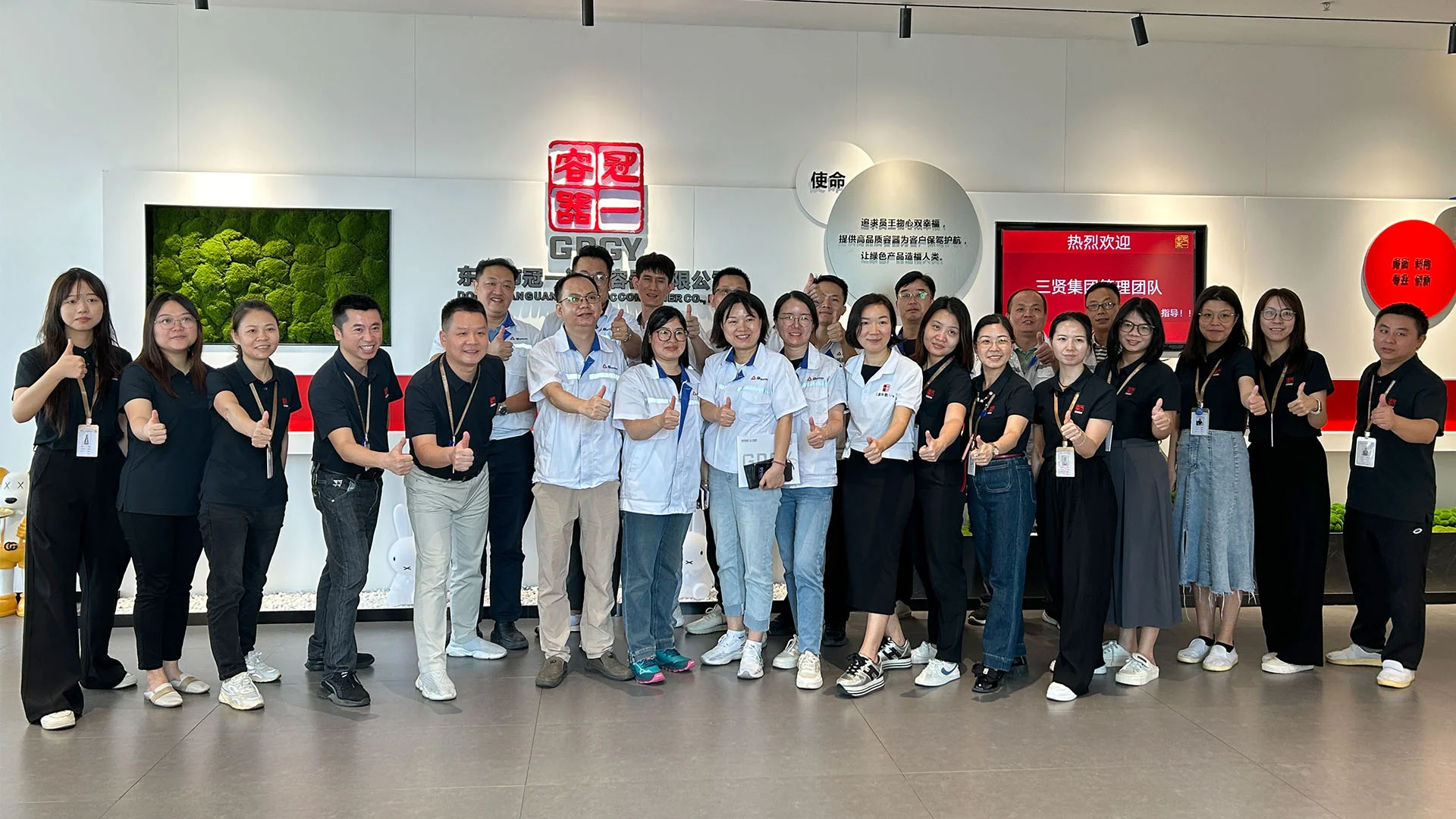
Fostering Excellence: Sanken Electronic Manufacturing's executive Visit to GY-Container for Quality Management and Efficient Production Learning Exchange
Oct. 15, 2024


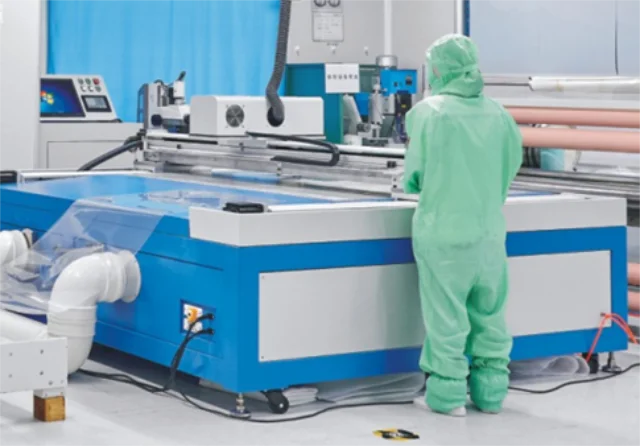
At Sanken, we define cutting forming processing as the processing process of processing materials into specific regular shapes such as rectangles, circles, and trapezoids through blades, saw blades, and lasers. Cutting forming technology is one of the most common technologies in industrial processing. It includes the flat cutting, rolling cutting and the emerging laser cutting in recent years.
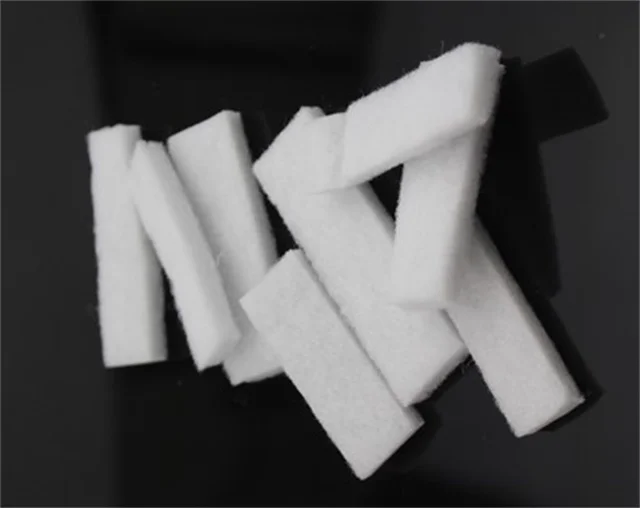
Why Do You Need Cutting and Molding?
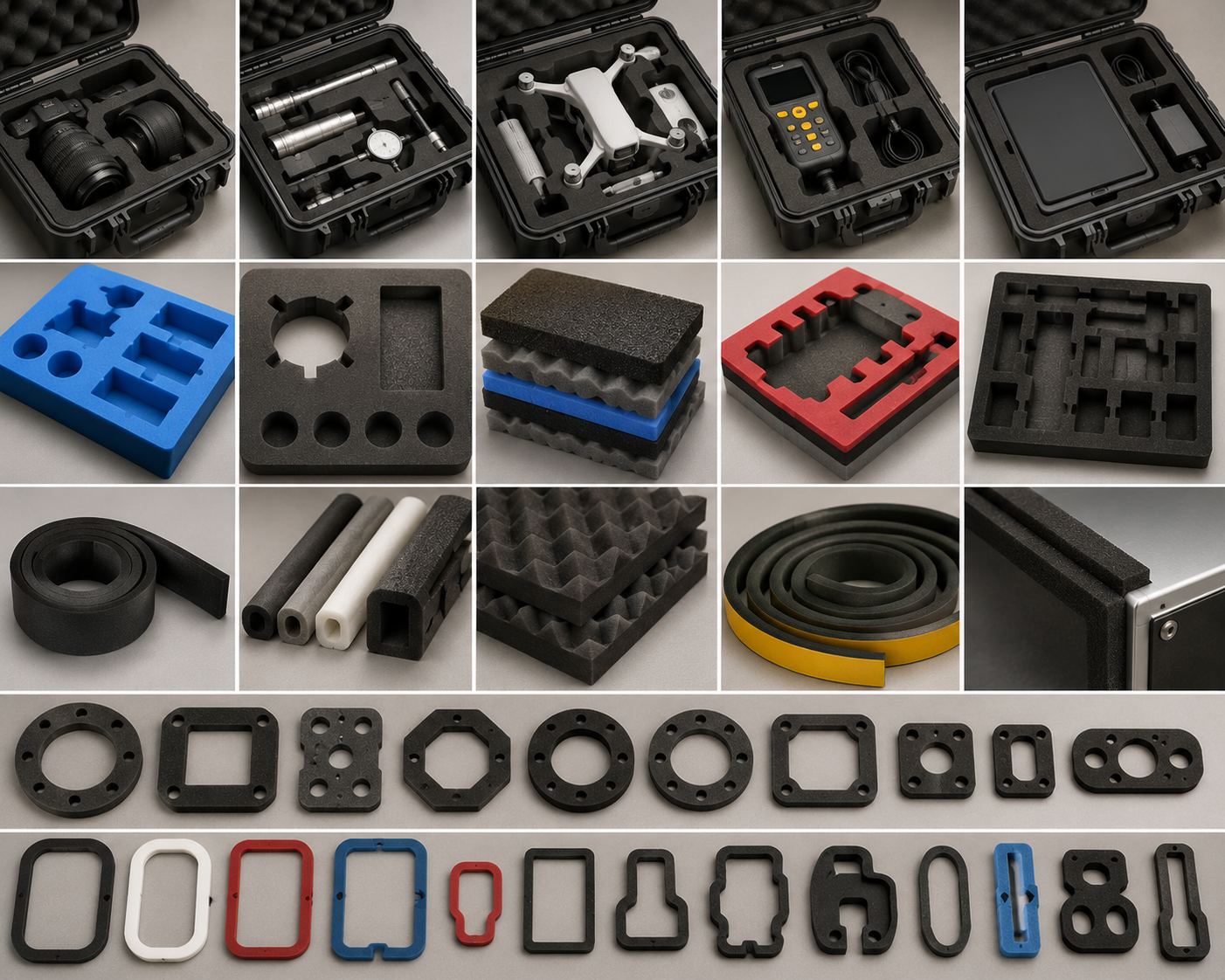
Let's say you're an assembler on a production line trying to install shockproof foam on your machine, but when you turn around, all you get is a large roll of foam. Material suppliers tend to prefer mass production, which is more cost-effective, however, this large roll of material is not very efficient in daily use and can cause problems for companies trying to use it in production, affecting production efficiency and quality. As a high-quality supplier in the field of material slitting, Sanken has rich experience in each cutting and forming method. Once you fully understand the types of Sanken cutting services, you can make the right decision for your project to create your ideal end result.
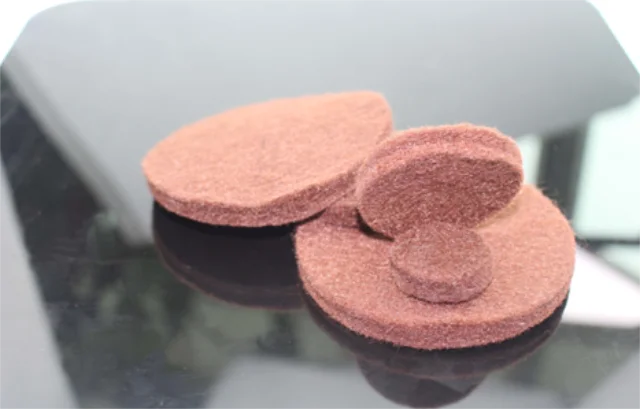
What are The Cutting Forming Processing Methods of Sanken?
Broadly speaking, Sanken's cutting and forming processing includes flat cutting, rolling cutting, and laser cutting
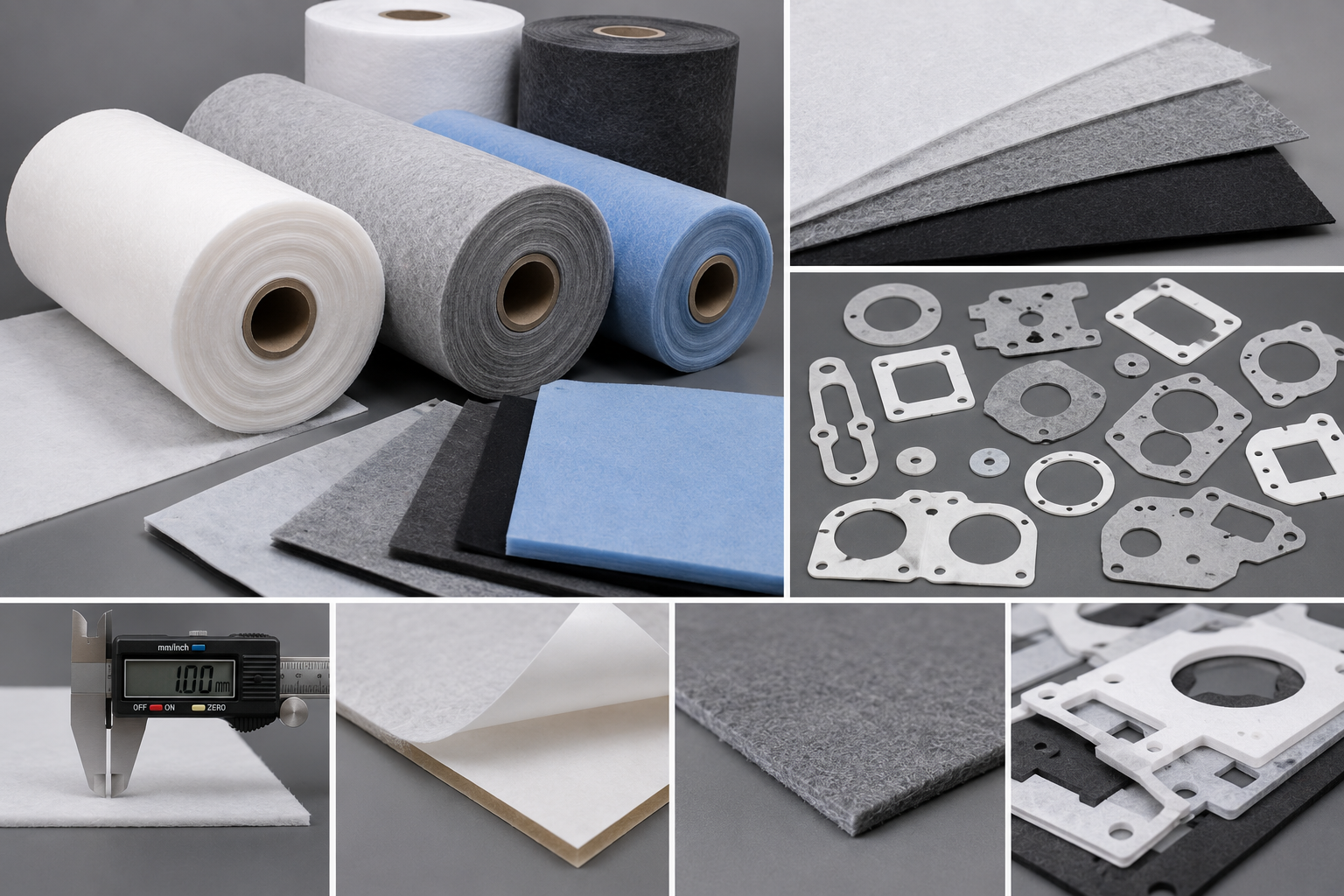
I. Flat cutting usually refers to the material is spread on the workbench, through the blade or saw blade, it is cut into a specific specification of the long, square, trapezoidal and other regular shapes to facilitate the later construction and installation.
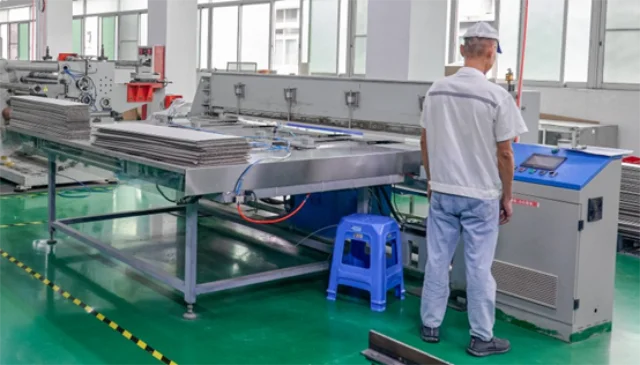
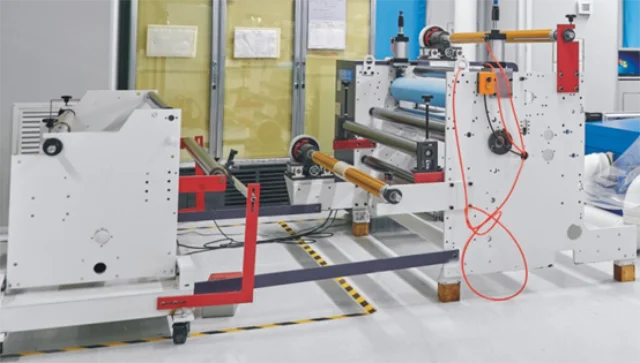
II. Rolling cutting is also commonly called slitting, roll slitting, roll slitting, and is often used for cutting raw materials into rolls. Roll slitting can be subdivided into log slitting and rewind slitting.
Log slitting is to cut the large roll material into small rolls, after the large roll material is installed on the anvil roller, the machine uses a rotary knife to cut the large roll into small rolls.
Rewind slitting is to slitting a single layer of material through a blade and then rewinding it into a new specification for later construction.
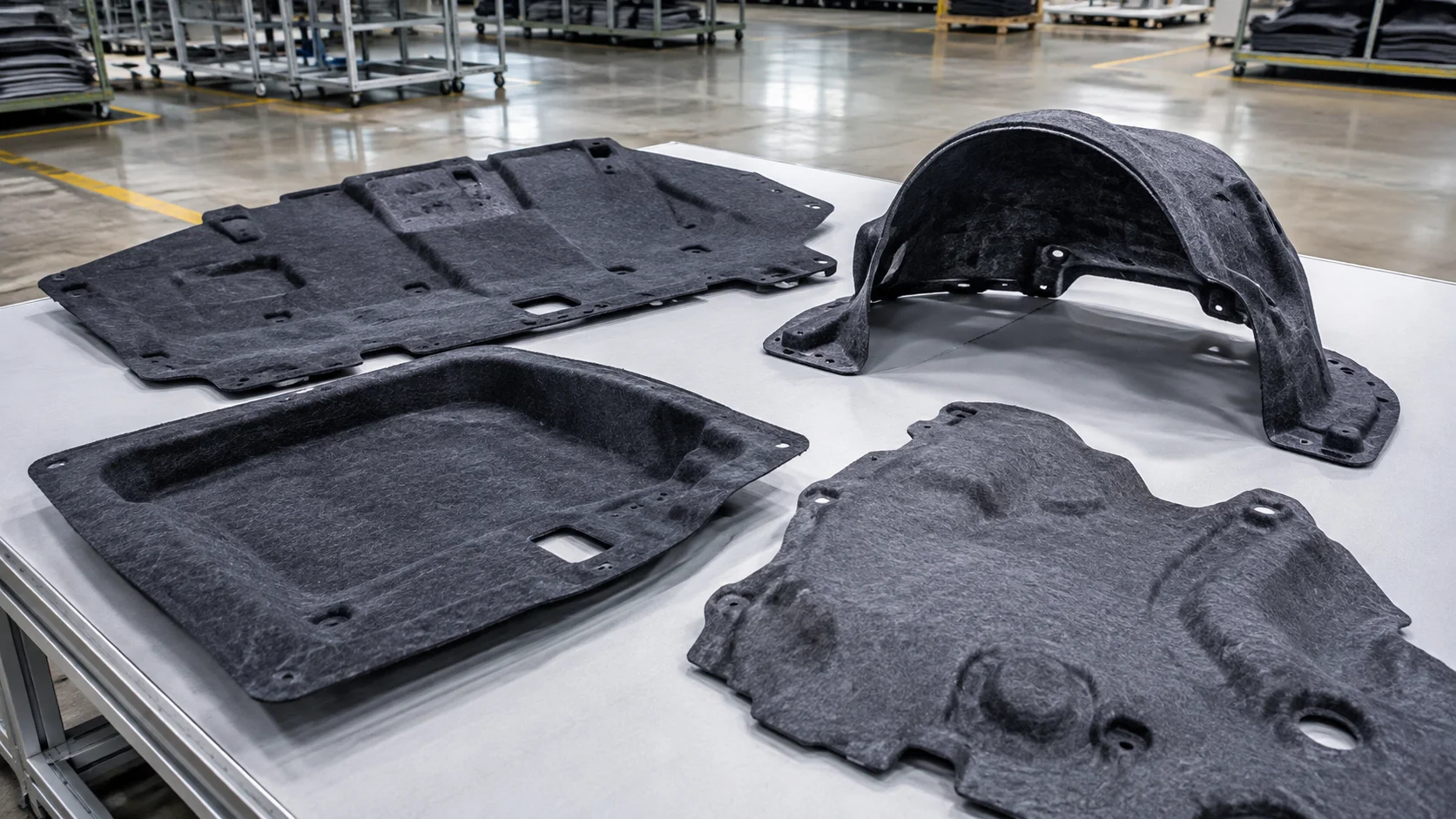
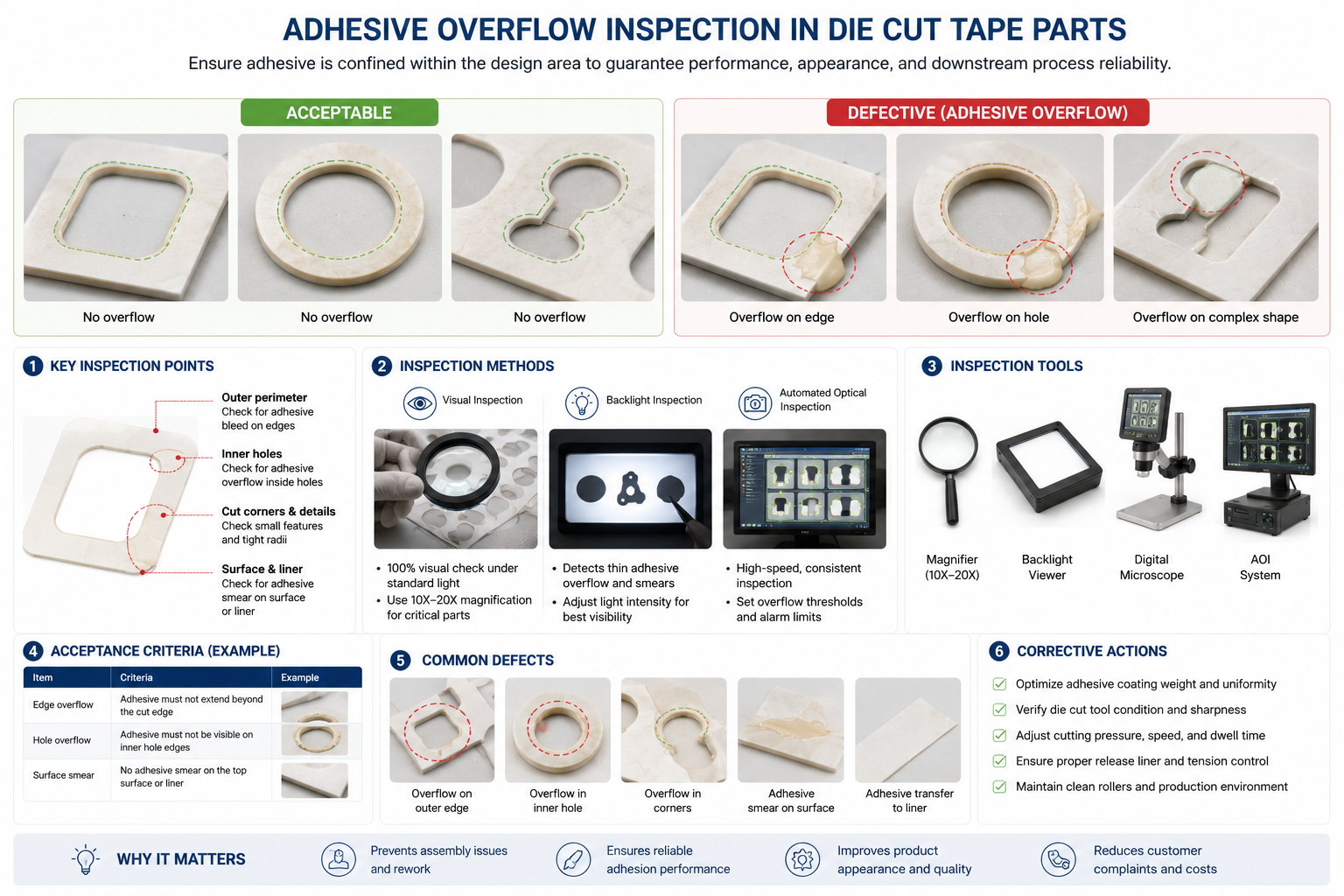
III. Laser cutting is a method of processing using laser cutting machines, which can usually process and cut complex shapes, and can also accurately cut a variety of materials including tapes, labels, films and laminates. Laser cutting has been widely used in many industries including electronics, automotive, optical, medical, new energy, printing, packaging and so on.
Why Choose Sanken Cutting and Forming Processing?
Sanken has been engaged in professional cutting and forming processing services for more than 20 years, we have advanced equipment and experienced team. We have reached long-term and stable cooperation with many brands such as Midea, Kyocera, Panasonic, etc. Sanken adopts the advanced 7S management model, and has successively completed the ISO9001:2015, ISO14001:2015, IATF16949:2016 and other management system certifications to ensure that we provide you with high-quality products. At the same time, Sanken is committed to technology research and development and innovation, and high-quality products help improve and speed up your production and assembly processes.
What are The Raw Materials Commonly Used in Cutting and Molding?
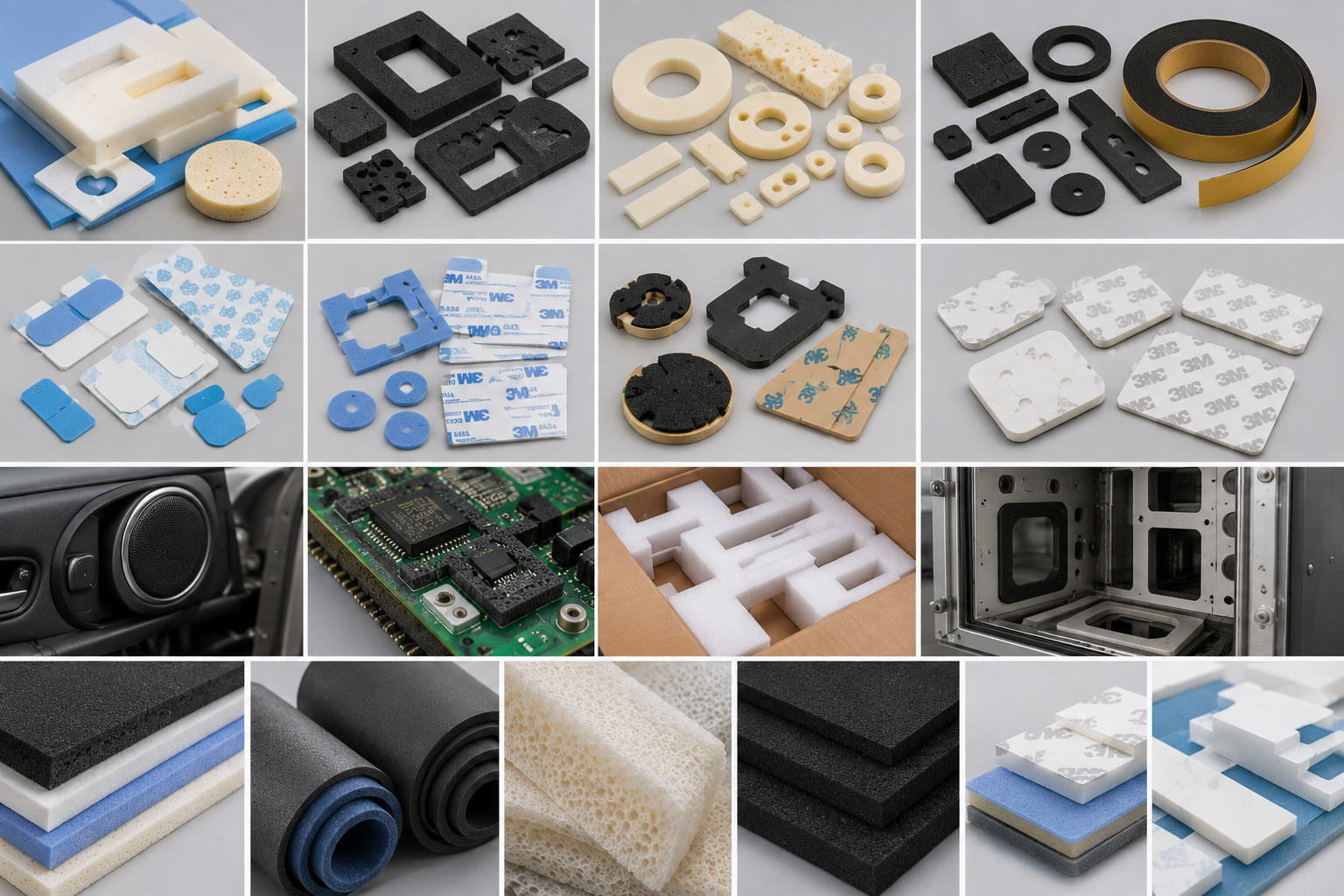
Cutting and forming processing is widely used in all walks of life, there are many materials that can be processed, the following is only a list of some common materials for your reference, if you have other material cutting needs, you are also welcome to communicate with us.
l Adhesive tape
l Non-woven fabrics
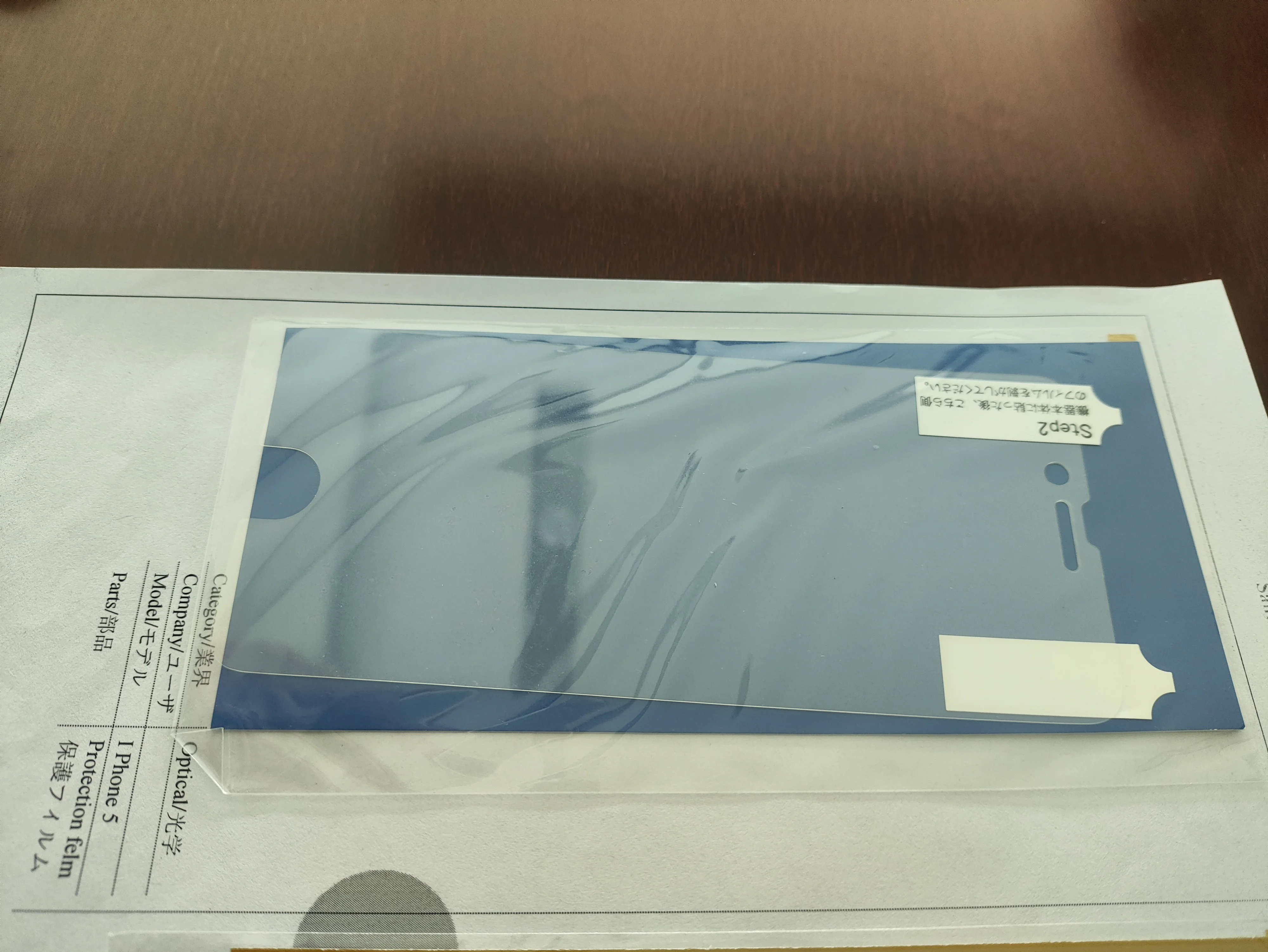
l Film
l Foam/sponge
l Copper foil/aluminum foil
l Pieces of paper/labels
l PVC Acrylic
l Other special materials
Contact us today to learn more about our cutting and forming services and products.