 english


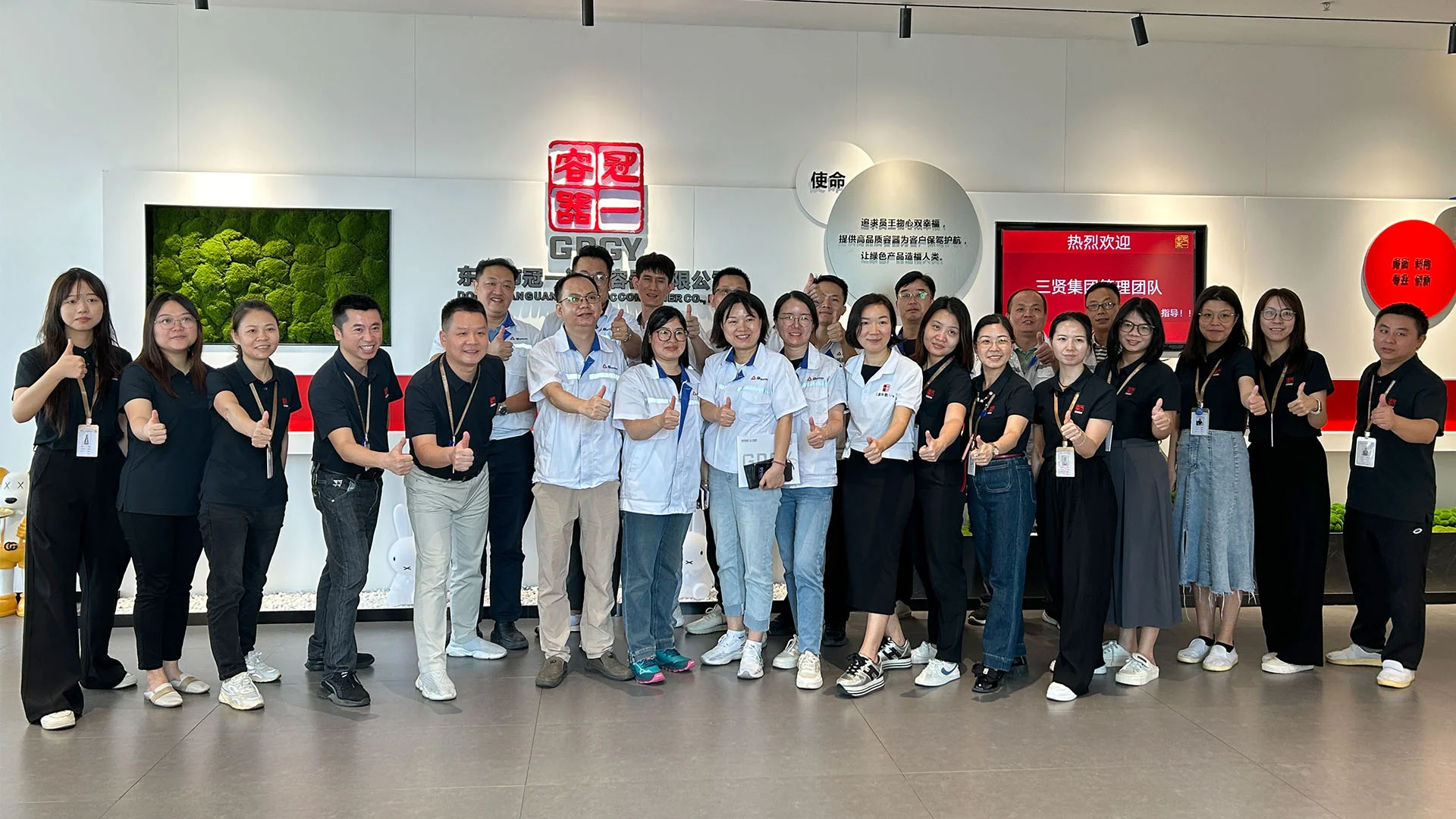
Fostering Excellence: Sanken Electronic Manufacturing's executive Visit to GY-Container for Quality Management and Efficient Production Learning Exchange
Oct. 15, 2024


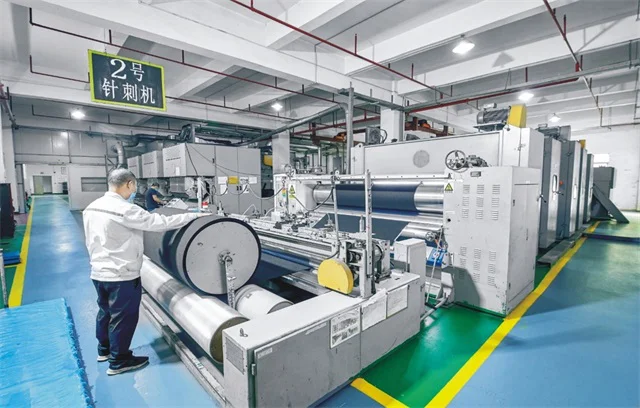
Die cutting is a fundamental process widely used in modern manufacturing. It enables the high-efficiency, high-precision production of consistent and reliable components. Whether used in the automotive, electronics, medical, consumer goods, or packaging industries, die cutting plays a crucial role in improving productivity and ensuring product performance.
## **1. What Is Die Cutting?**
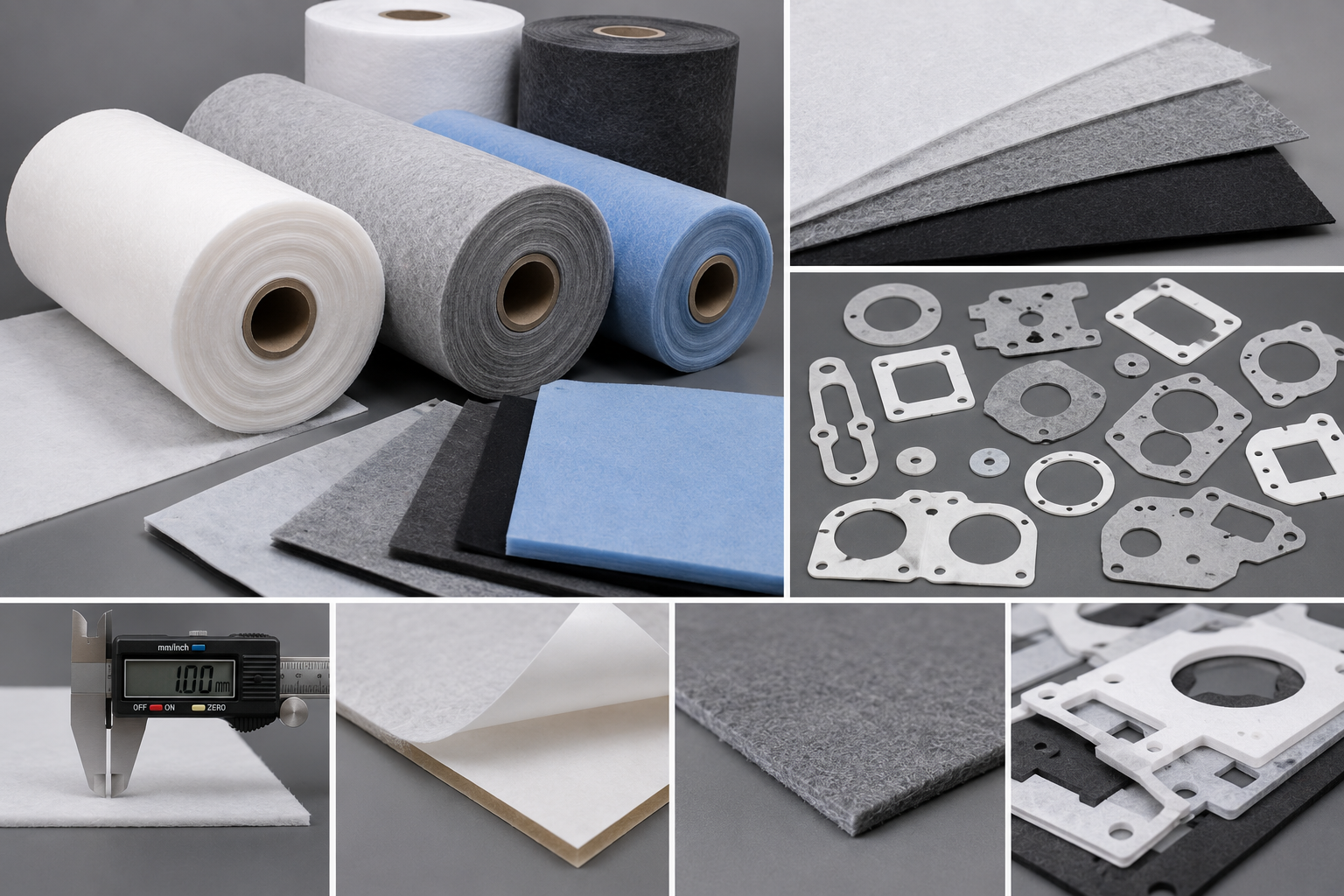
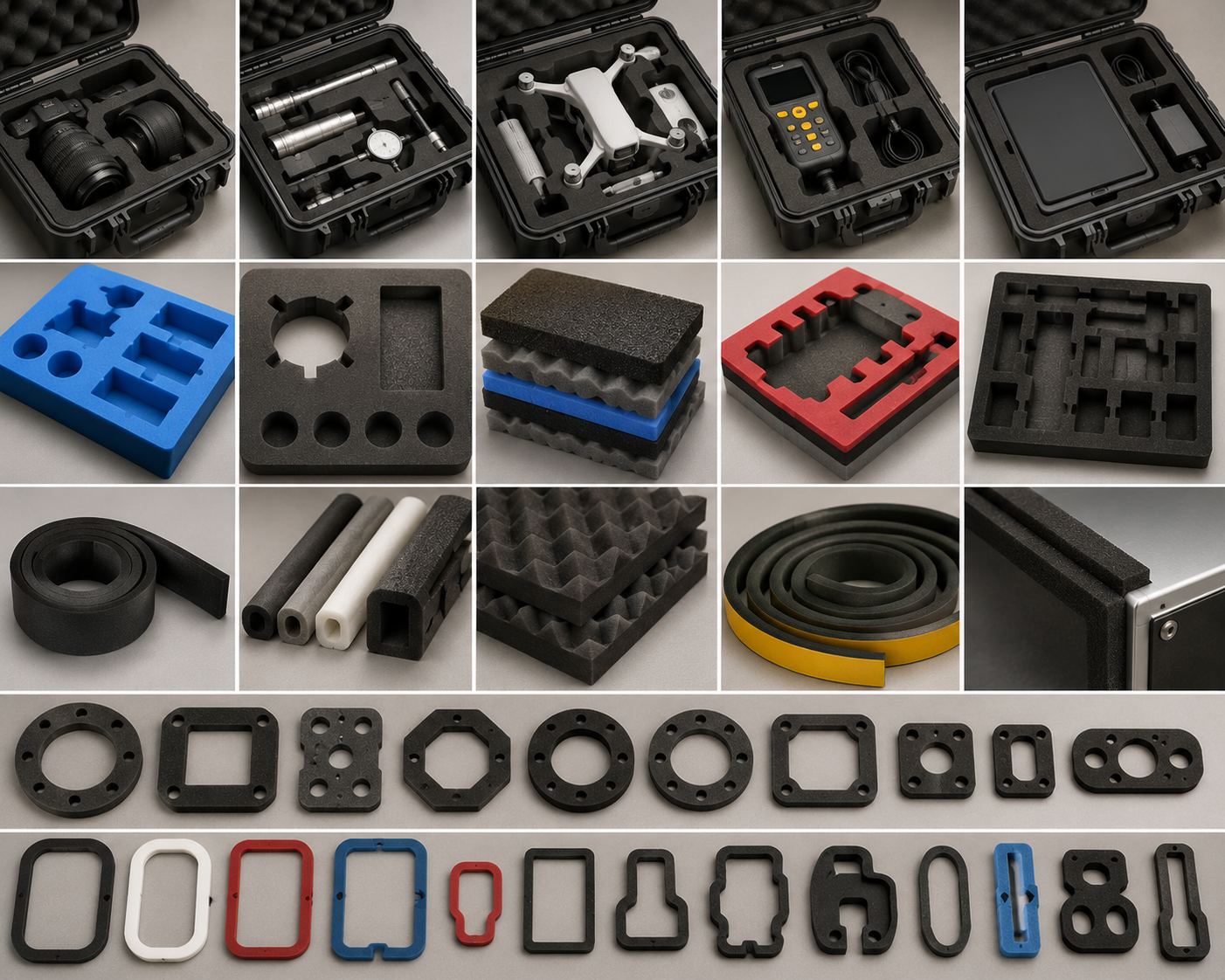
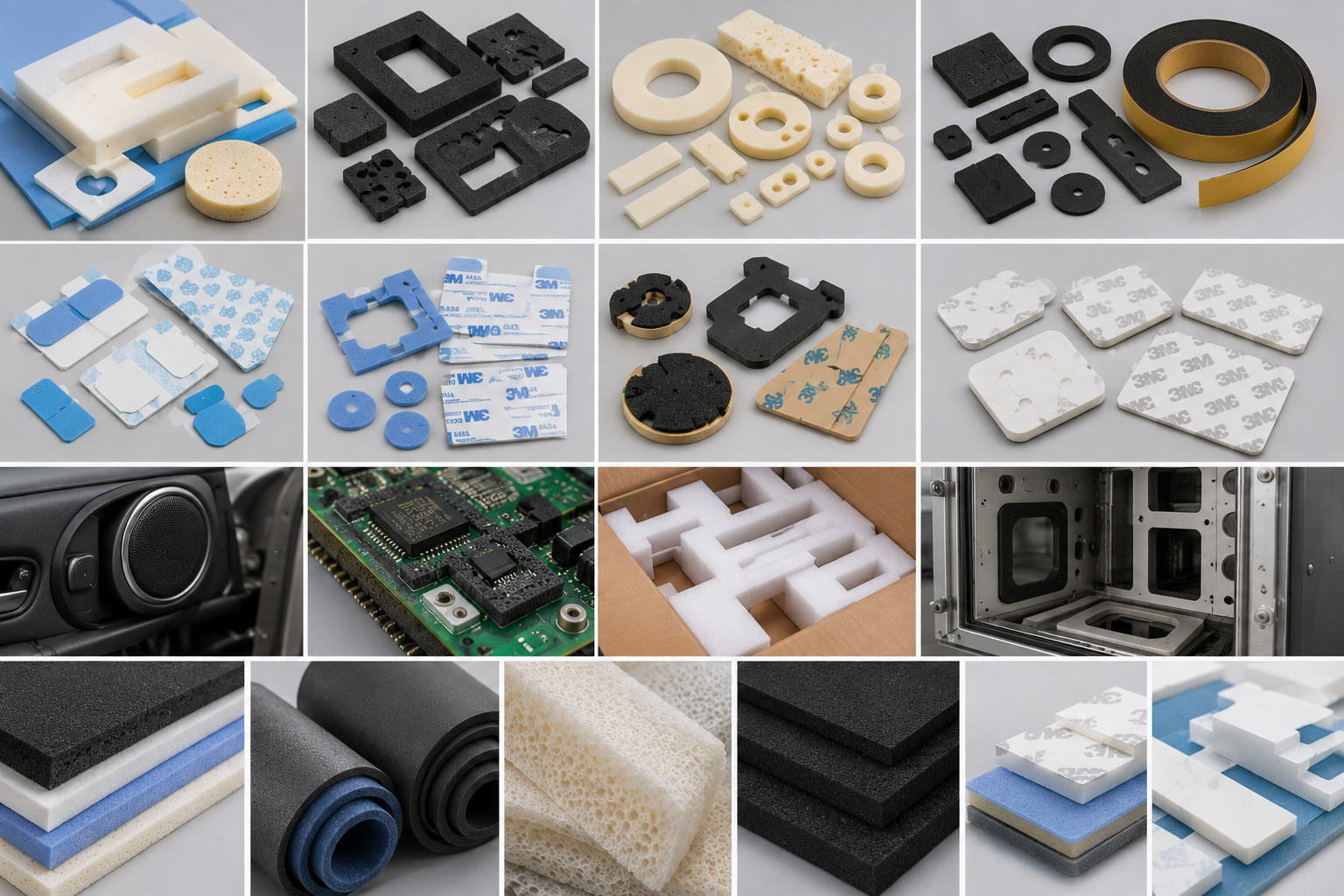
Die cutting is a fabrication process that uses customized dies to cut, shape, or form various materials. It is suitable for a broad range of materials, including:
* Industrial adhesive tapes
* PORON foam, EVA, EPDM
* Rubber and silicone
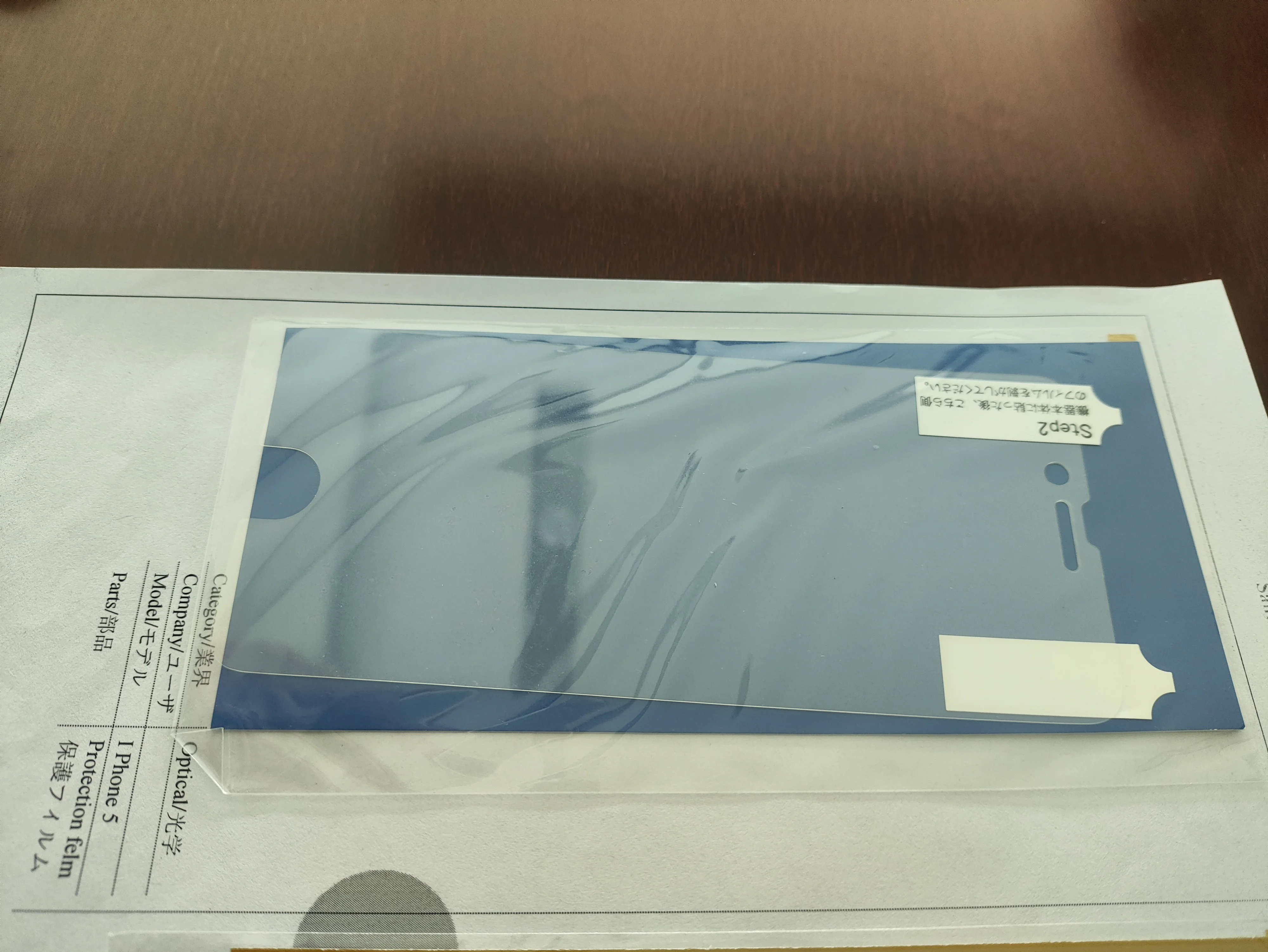
* Protective films, optical films, plastic films
* Thermal interface materials and insulation materials
* EMI shielding materials
Depending on application needs, die cutting can be performed through multiple methods such as **flatbed die cutting, rotary die cutting, kiss-cutting, and laser cutting**.
With years of industry experience, **Sanken** specializes in processing these materials and delivering high-precision, complex custom die-cut solutions.
---
## **2. Why Die Cutting Is Important**
### **2.1 High Precision and Consistency**
Industries such as automotive electronics, 5G devices, and medical equipment require extremely tight tolerances. Die cutting offers:
* Strict dimensional accuracy
* High consistency in mass production
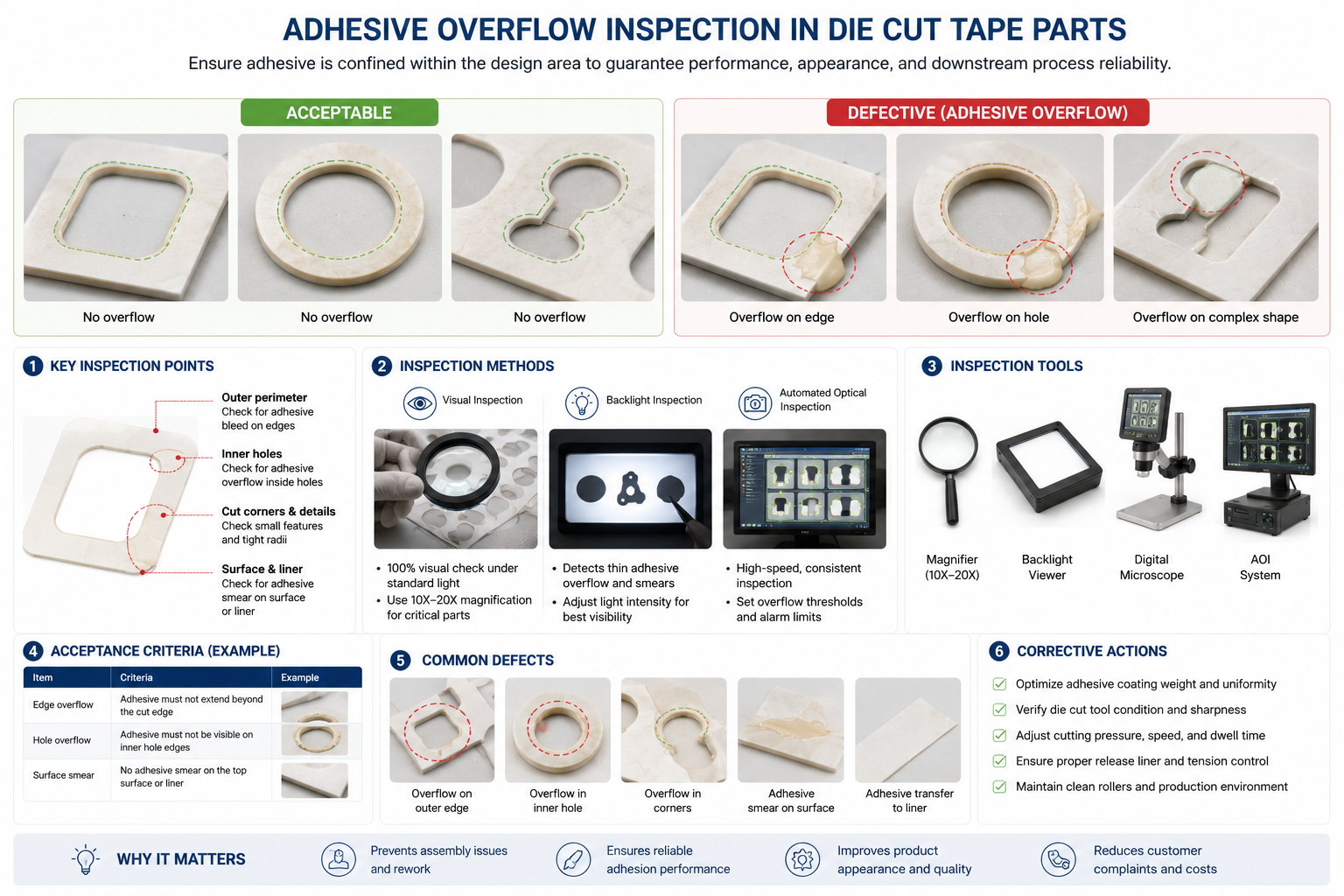
* Clean edges and stable product quality
Through advanced tooling design and automated equipment, **Sanken** ensures superior precision that meets and exceeds industry standards.
---
### **2.2 High Efficiency and Scalability**
Die cutting supports rapid production and large-scale manufacturing, making it ideal for long-term programs and OEM production lines.
With smart factory planning and automated production lines, **Sanken** can easily scale from prototype builds to full-volume mass production.
---
### **2.3 Material Optimization and Cost Control**
A reliable die-cutting manufacturer not only “processes materials” but also **understands materials**.
**Sanken** maintains long-term partnerships with globally recognized material suppliers, including:
* **3M**
* **Tesa**
* **Rogers / PORON**
* **Laird**
* **Nitto**
By providing material recommendations and optimized layout design, Sanken helps customers reduce costs while improving overall performance.
---
### **2.4 Wide Range of Industrial Applications**
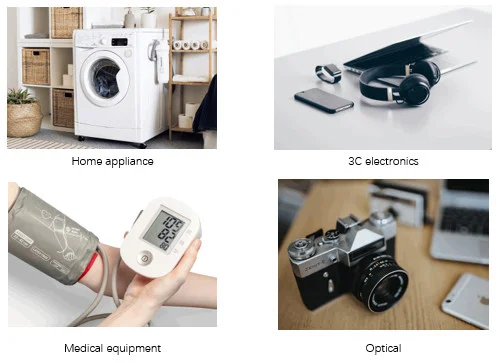
Die cutting is essential across many industries:
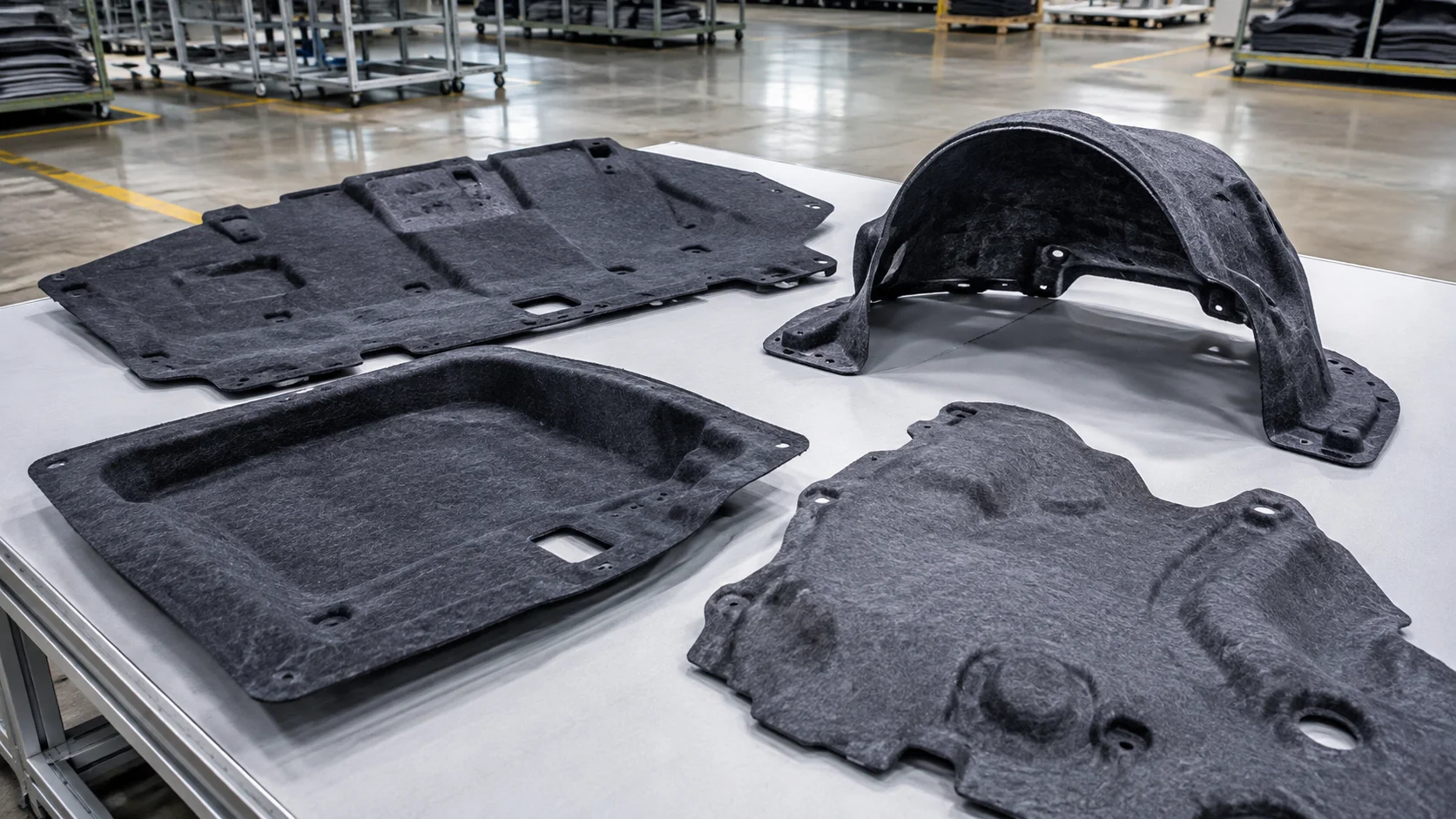
* **Automotive**: insulation pads, sealing gaskets, bonding components, NVH materials
* **Consumer electronics**: thermal pads, protective films, optical components
* **Medical devices**: skin adhesives, sterile barriers
* **New energy**: battery insulation materials, EMI shielding, thermal management parts
**Sanken** has supplied die-cut solutions to major automotive electronics manufacturers, new energy companies, and international consumer electronics brands.
---
## **3. The Role of Die Cutting in Automotive and Electronics**
### **Automotive Industry**
Automotive components must withstand high temperature, vibration, and chemical exposure. Die-cut components play a key role in:
* NVH (noise, vibration, harshness) materials
* Waterproof and dustproof gaskets
* Display and sensor protection
* Insulation and thermal management for EV battery modules
With years of experience, **Sanken** provides full-process support from prototype development to mass-production delivery.
---
### **Electronics Industry**
The pursuit of lightweight and compact device designs drives the demand for precision die-cut products:
* Thermal interface materials (TIM)
* EMI shielding components
* Optical and protective films
* Battery insulation parts
* Precision adhesive structures
Sanken’s advanced automated production lines support high-precision manufacturing for even the most complex micro-structures.
---
## **4. Why Choose Sanken as Your Die-Cutting Partner**
selecting the right die-cutting supplier impacts not only product quality but also development timelines and long-term project stability.
As a professional die-cutting manufacturer, **Sanken** stands out with the following advantages:
### **✔ Advanced Technology**
* Flatbed, rotary, laser, and multi-process CNC flexibility
* High-precision die design and fabrication
* Capability for complex shapes and micro-feature processing
### **✔ Professional Engineering Team**
* DFM (Design for Manufacturability) optimization
* Material selection and structural recommendations
* Cost reduction and performance enhancement support
### **✔ High-Standard Quality System**
* Strict ISO 9001 / IATF 16949 compliance
* Full product traceability
* Automated inspection and vision control systems
### **✔ Fast Delivery and Scalable Production**
* 24/48-hour rapid prototyping
* Flexible production lines for small to large orders
* Stable supply chain ensuring reliable lead times
---
## **5. Conclusion**
Die cutting is an indispensable technology in modern manufacturing, providing high-precision, high-efficiency, and cost-effective solutions for many industries. As products continue to evolve toward thinner, lighter, and more advanced designs, the demand for high-quality die-cut components will continue to grow.
With advanced equipment, a professional engineering team, and extensive industry experience, **Sanken** is committed to delivering high-quality die-cut products and integrated solutions—becoming a trusted long-term partner for global customers.Welcome to contact for consultation.