 日语
日语


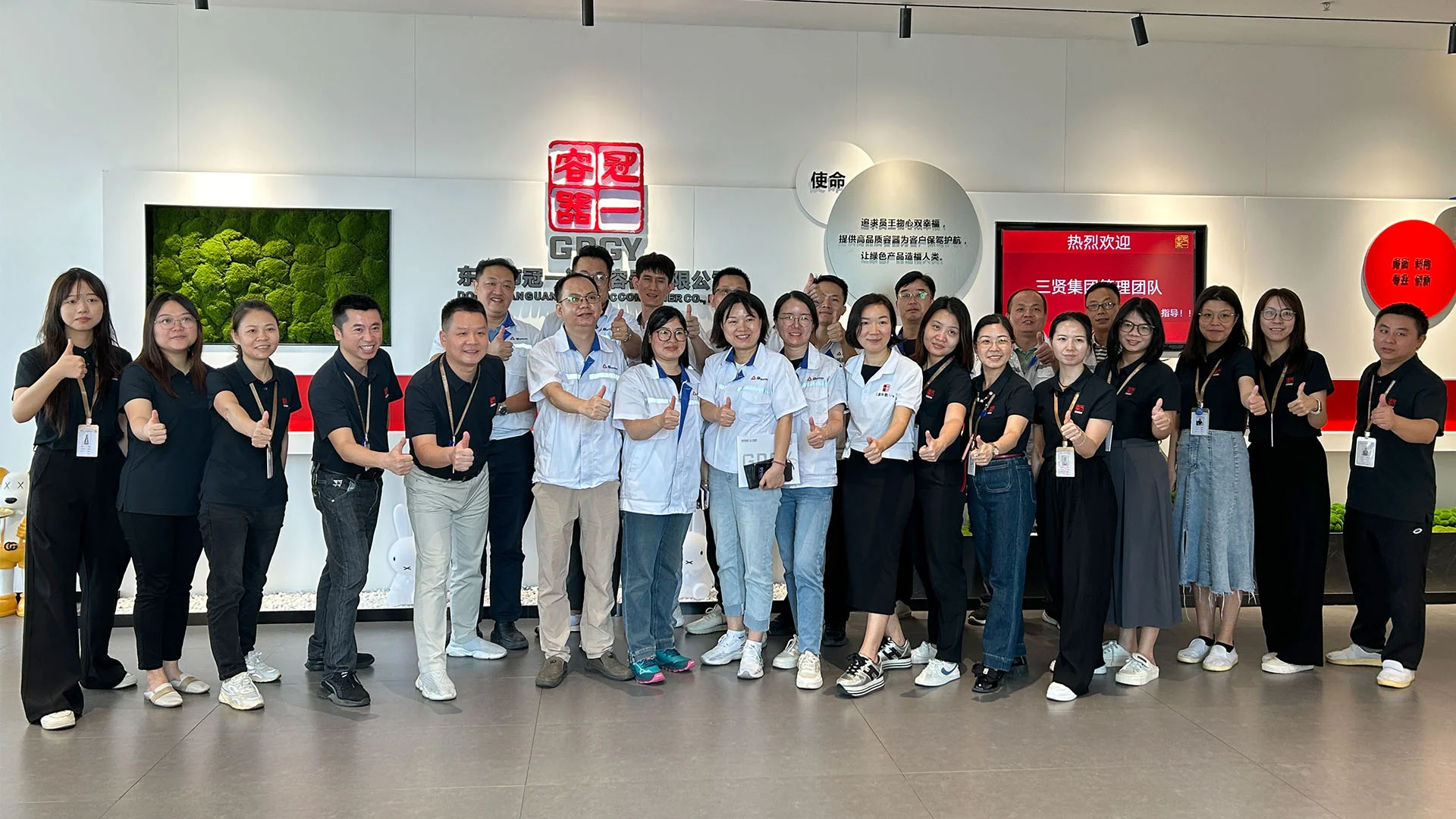
卓越性の育成: Sanken Electronic ManufacturingによるGYへのエグゼクティブ訪問-品質管理と効率的な生産学習交換のためのコンテナ
Oct. 15, 2024


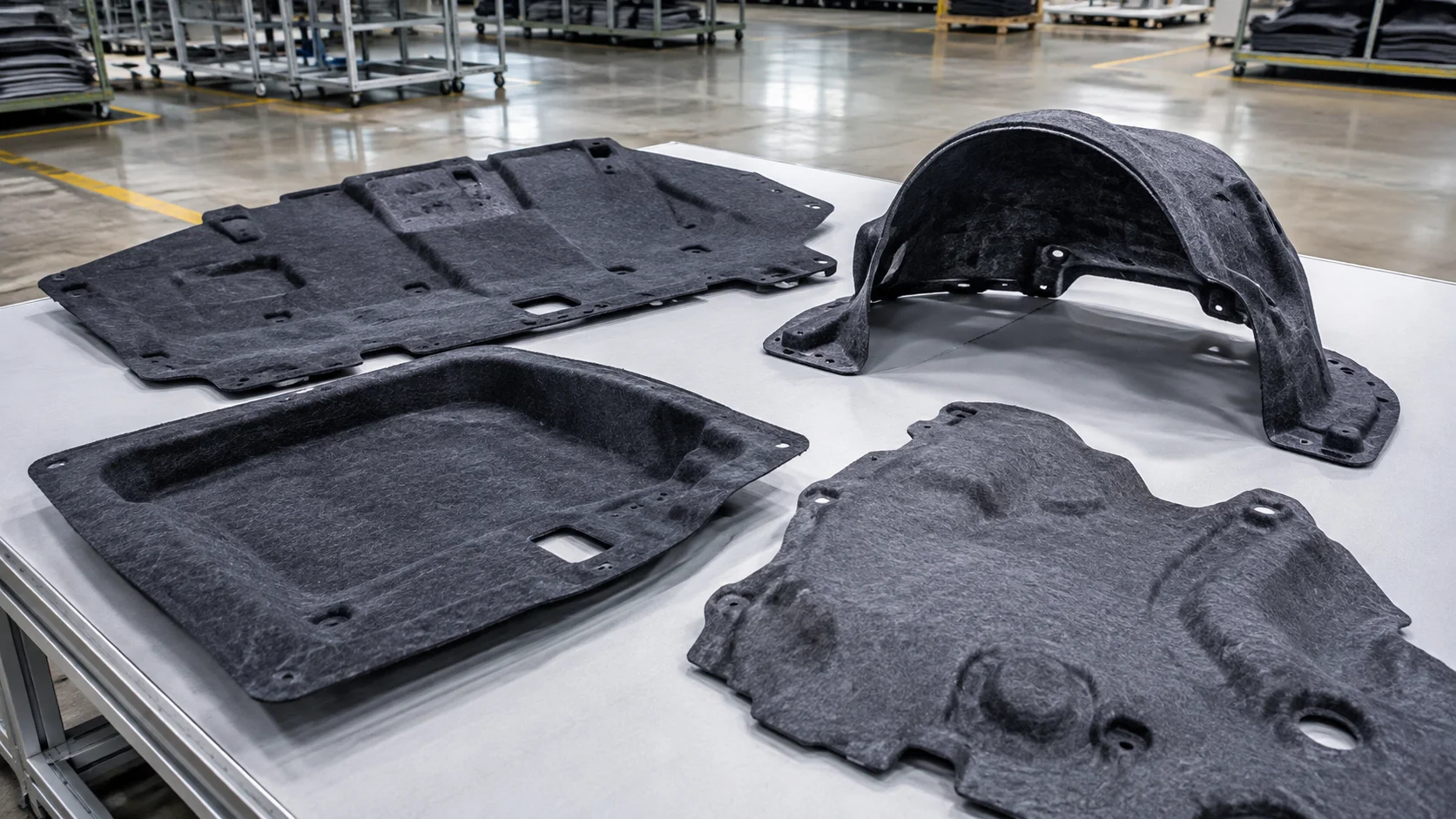
In the field of precision manufacturing, die cutting is a key process that creates consistent, intricate shapes across various materials. As a subtractive manufacturing technology, it achieves high-precision cutting and creasing with specialized tools, meeting the strict precision and efficiency requirements of industries like packaging, automotive, medical, and electronics, and continuously adapts to modern production with technological upgrades.
1. Core Principles
Die cutting relies on three cores: tool design, material compression, and precise cutting. Centered on custom dies (sharp steel rules embedded in rigid bases), with punches (for cutouts) and ejection systems (for part removal); compression secures materials to prevent shifting, steel rule sharpness determines edge quality, and vacuum systems clear waste promptly to ensure precision.
2. Main Technologies & Applications
(1) Steel Rule Die Cutting
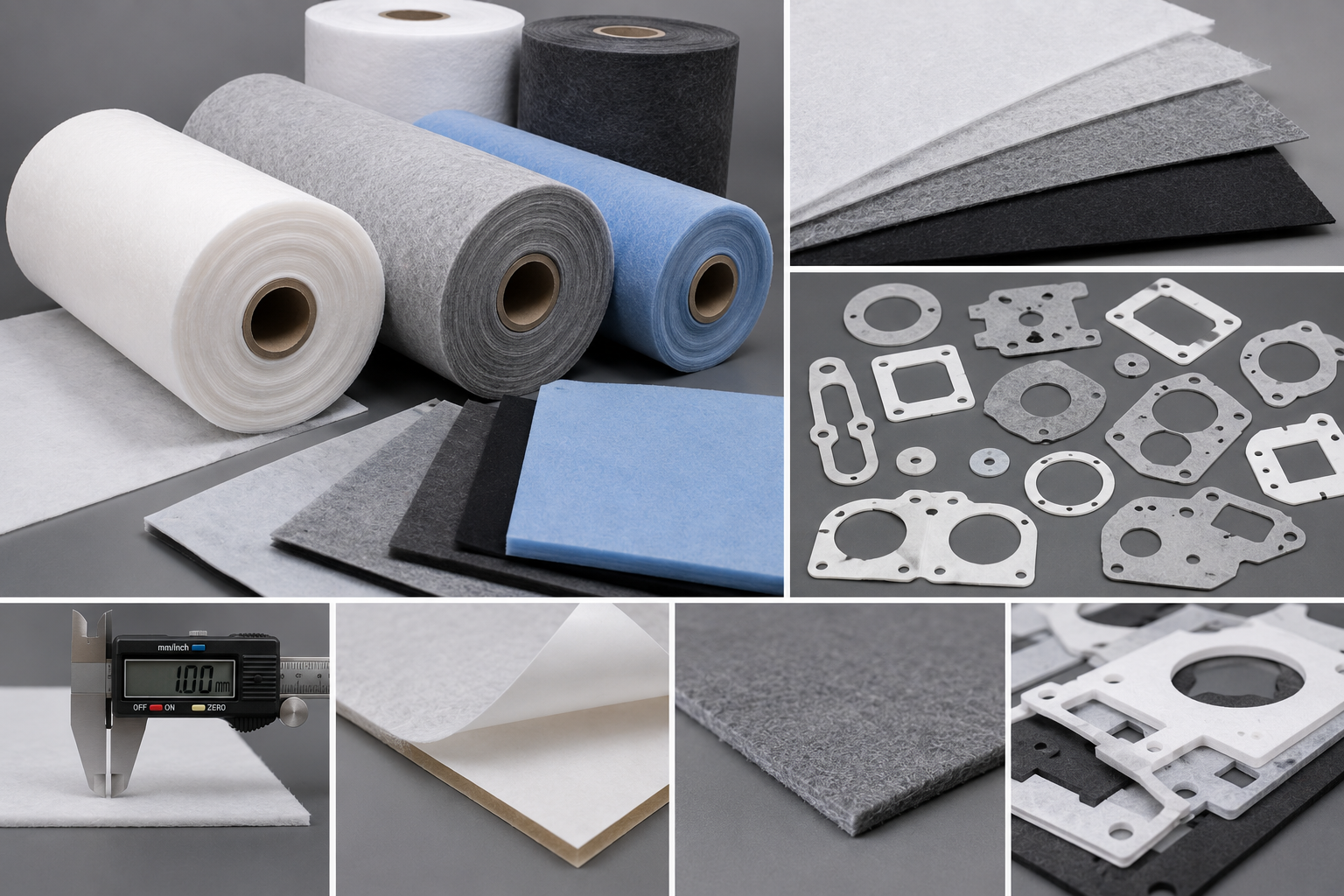
A traditional mainstream technology based on the "cookie cutter" principle, suitable for high-volume production of non-metallic materials like paper, foam, and thin plastics. It has low cost and fast setup, with tolerances up to ±0.005 inches, often used for packaging, gaskets, and labels.
(2) Digital Die Cutting
No physical dies required; cutting is done via laser (micron-level precision, for fabrics, thin metals) or waterjet (cuts thick/hard materials without heat damage). It enables rapid design changes, suitable for small-batch production, prototyping, and complex structure processing.
(3) Rotary & Flatbed Die Cutting
Rotary die cutting: Cylindrical dies rotate at high speed for cutting flexible materials like labels and packaging films, with speeds up to 150m/min, ensuring stable quality in large batches.
Flatbed die cutting: Stationary flat dies cut thick rigid materials like corrugated board and composite panels, enabling simultaneous cutting and creasing to improve efficiency.
3. Technological Innovation Trends
Automation: Robotic loading/unloading and inline vision inspection are widespread, reducing costs and errors, enabling 100% real-time quality inspection.
Digitalization: Seamless connection between CAD and equipment supports rapid iteration and data-driven parameter adjustment, reducing waste.
Sustainability: Optimized nesting and eco-friendly tools reduce material and energy consumption, aligning with green manufacturing.
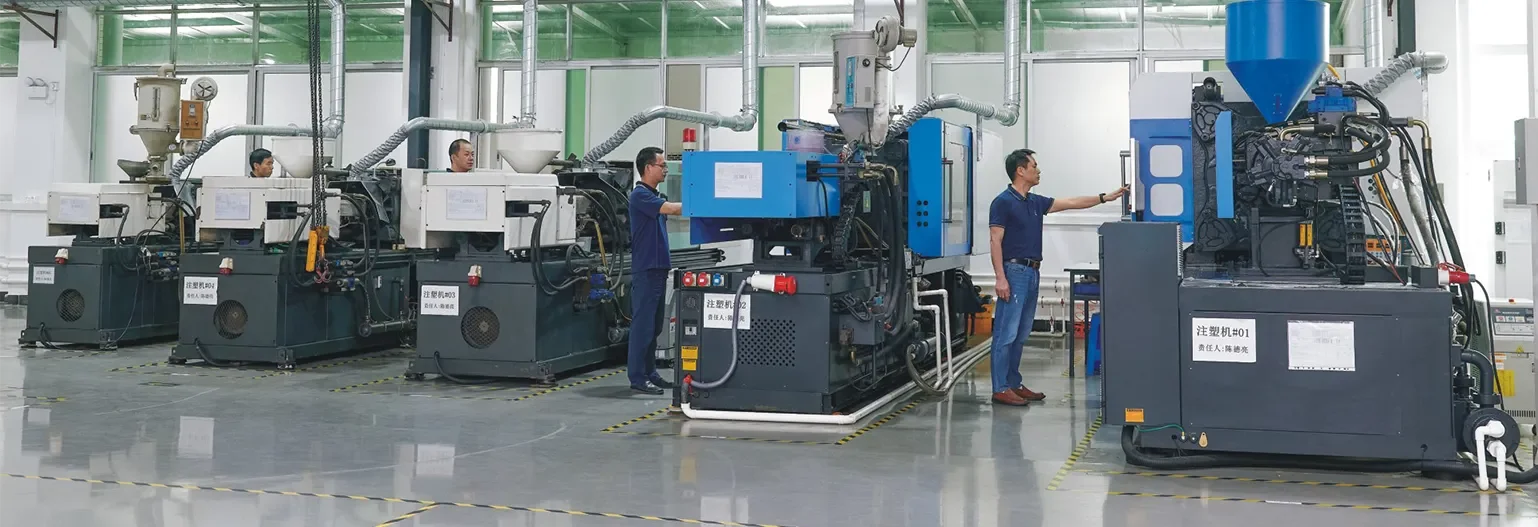
4. Material & Quality Control
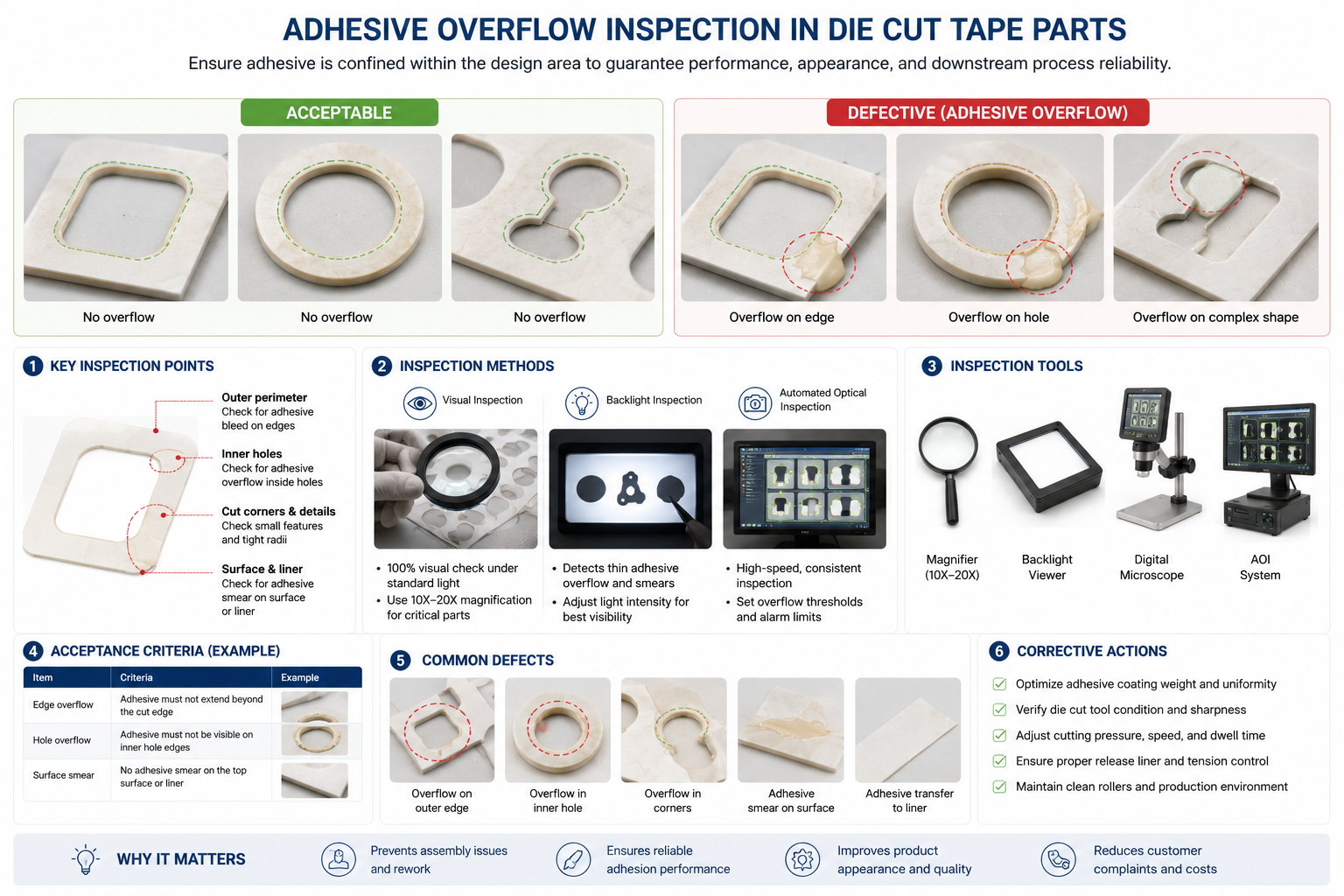
Materials must match dies and parameters (e.g., adjust clearance for elastomers, use sharp blades for metal foils); edge and dimension inspection is done via ANSI Z1.4 sampling. Advanced workshops use inline measurement and closed-loop adjustment to eliminate defective products, with regular maintenance of dies and equipment to extend service life.